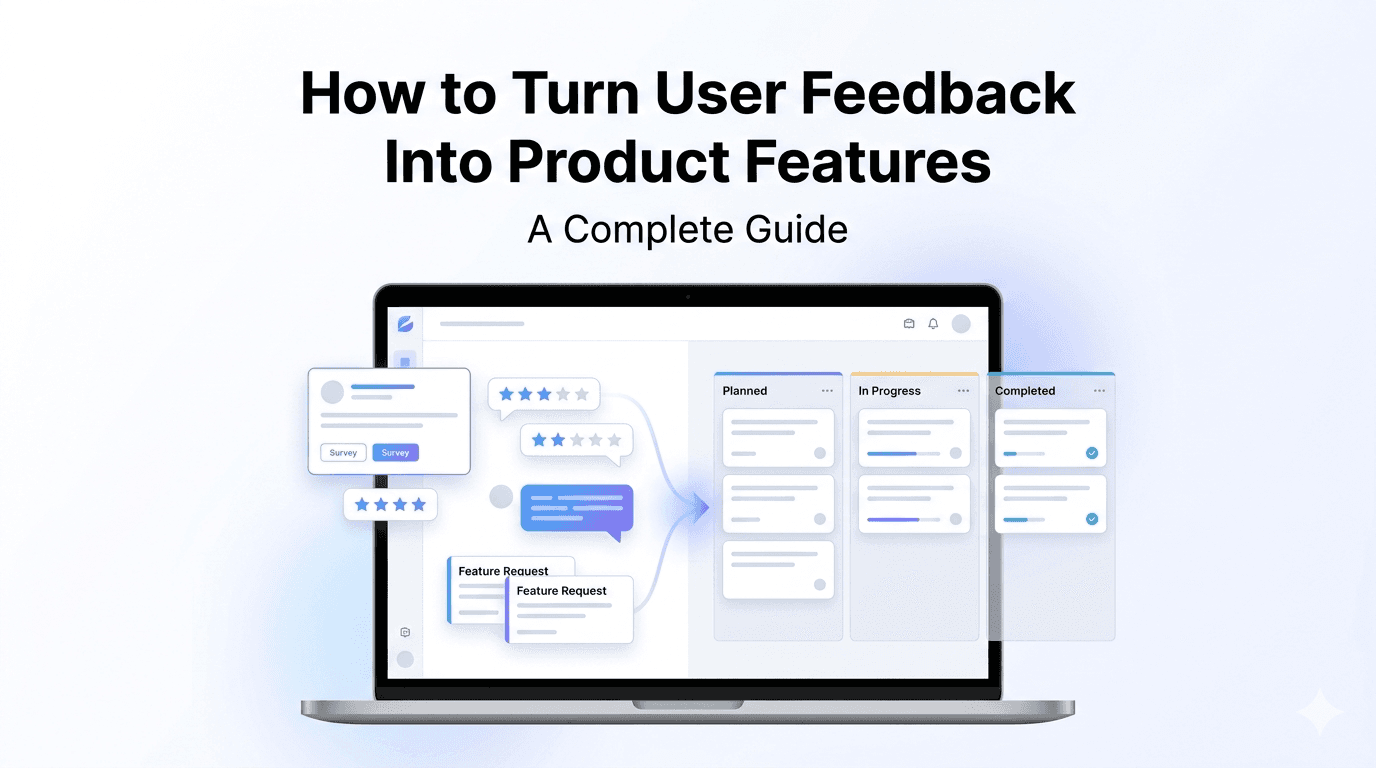
Introduction: The Power of User Feedback in Product Development
In today's competitive SaaS landscape, building products that users love isn't just about having great ideas—it's about listening to the people who actually use your software. User feedback has evolved from being a nice-to-have to an essential component of successful product management. When harnessed effectively, customer insights can drive innovation, reduce churn, and create features that truly resonate with your audience.
Why User Feedback Matters More Than Ever
Before diving into the how, let's explore why user feedback is so critical. First, it provides direct insight into customer pain points and desires. Second, it helps prioritize development efforts based on real user needs rather than assumptions. Third, involving users in the product development process builds loyalty and creates advocates for your brand.
The Feedback-to-Feature Gap
Many companies collect feedback but struggle to translate it into actionable product improvements. Common challenges include:
- Feedback scattered across multiple channels (email, social media, support tickets)
- Difficulty prioritizing which suggestions to implement
- Lack of a systematic process for tracking feedback through development
- Poor communication with users about the status of their suggestions
Step 1: Collect Feedback Effectively
The first step in turning feedback into features is gathering insights in an organized manner. While you can use basic tools like spreadsheets or generic survey platforms, dedicated feedback management tools offer significant advantages.
Centralize Your Feedback Collection
Platforms like Canny, Upvoty, and Idealoop provide structured environments where users can submit, discuss, and vote on feature requests. This centralization prevents valuable insights from getting lost and creates a transparent community around your product's evolution.
Multiple Collection Methods
Effective feedback collection uses multiple channels:
- In-app feedback widgets: Capture insights while users are actively engaged with your product
- Dedicated feedback portals: Create a space where users can browse existing suggestions and add their own
- Email and support tickets: Train your team to route product suggestions to your feedback system
- User interviews and surveys: Proactively seek insights from different user segments
Step 2: Organize and Categorize Feedback
Raw feedback is valuable, but organized feedback is actionable. Once you've collected suggestions, the next step is to structure them for analysis.
Create Logical Categories
Group similar feedback together using tags or categories. Common approaches include:
- By product area (dashboard, reporting, integrations, etc.)
- By user type (new users, power users, enterprise customers)
- By impact (usability improvement, new functionality, bug fix)
Tools for Organization
While Featurebase offers basic categorization, platforms like Productboard and Idealoop provide more sophisticated systems for tagging, linking related requests, and creating custom fields to capture additional context.
Step 3: Analyze and Prioritize Feedback
Not all feedback is created equal. The art of product management lies in determining which suggestions will deliver the most value to your users and your business.
Prioritization Frameworks
Consider using established frameworks to evaluate feedback:
- RICE Scoring: Reach, Impact, Confidence, Effort
- Value vs. Effort Matrix: Plot suggestions based on user value and implementation complexity
- Kano Model: Categorize features as basic expectations, performance factors, or delighters
Quantitative and Qualitative Analysis
Look beyond vote counts. Consider:
- How many users are requesting similar functionality?
- What's the potential impact on user retention or acquisition?
- Does the feedback align with your product vision and strategy?
- What's the business case for implementation?
Step 4: Plan and Develop Features
Once you've identified high-priority feedback, it's time to translate insights into development plans.
Create Detailed Specifications
Turn user suggestions into actionable requirements by:
- Clarifying the exact problem users want to solve
- Defining success metrics for the new feature
- Creating user stories that capture different use cases
- Considering edge cases and potential limitations
Integrate with Development Workflows
Tools like Idealoop integrate with project management platforms, allowing you to seamlessly move validated feedback into your development pipeline. This creates a closed-loop system where feedback directly influences your product roadmap.
Step 5: Communicate and Close the Loop
One of the biggest mistakes companies make is collecting feedback without following up. Closing the feedback loop is crucial for maintaining user trust and engagement.
Transparent Status Updates
Keep users informed about the progress of their suggestions:
- Mark requests as "under consideration," "planned," or "in development"
- Provide estimated timelines when possible
- Explain why certain suggestions won't be implemented (when appropriate)
Celebrate Launches
When you release a feature based on user feedback:
- Notify users who requested or voted for the feature
- Share the story of how user input shaped the development
- Thank your community for their contributions
Best Practices for Sustainable Feedback Management
Turning feedback into features isn't a one-time project—it's an ongoing process that requires commitment and the right tools.
Build a Feedback Culture
Encourage everyone in your organization to value user insights:
- Make feedback review a regular part of team meetings
- Share user stories and quotes to build empathy
- Celebrate when user suggestions lead to successful features
Choose the Right Tools
While there are many options available, Idealoop offers a comprehensive solution specifically designed for customer-driven product management. Unlike generic tools, it provides specialized features for collecting, organizing, prioritizing, and acting on user feedback in a systematic way.
Measure Your Success
Track metrics to ensure your feedback process is working:
- Percentage of product roadmap influenced by user feedback
- User satisfaction with implemented features
- Engagement with your feedback portal
- Reduction in support tickets for addressed pain points
Conclusion: The Continuous Cycle of Improvement
Turning user feedback into product features is more than just a development methodology—it's a philosophy that puts customers at the center of your product strategy. By implementing a systematic approach with the right tools, you can transform scattered suggestions into a powerful engine for growth and innovation.
Remember, the goal isn't to implement every piece of feedback, but to create a transparent, responsive process that makes users feel heard and valued. When users see their input shaping your product, they become more than customers—they become partners in your success.
Ready to transform how you handle user feedback? Explore how Idealoop can help you build better products through customer insights.